A large white dog lay still along the edge of a quiet country road, a coarse rope pulled tight around his neck, his body limp and his eyes clouded with fear. He did not react when a car slowed to a stop nearby. A woman stepped out first, followed closely by a man, both moving with the steady gentleness of people who understood that any sudden motion might deepen the dog’s distress. When they reached toward the rope, the dog flinched, yet he made no effort to fight or pull away. Exhaustion had drained every trace of strength he had left.
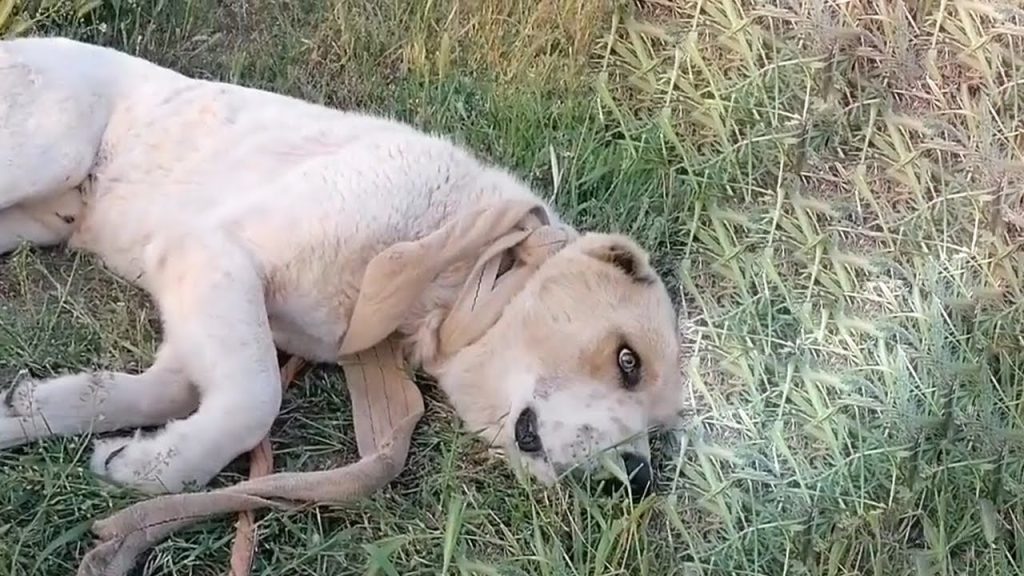
The woman knelt beside him, her hands shaking not from fear but from the weight of sadness as she worked the tight rope loose. The dog’s breathing remained shallow, his trust fractured yet not entirely gone. When she offered him water, he licked at it slowly, unsure whether safety was truly within reach. The couple spoke in low, soothing tones, giving him space to understand that help had finally arrived. After several quiet minutes, he allowed them to guide him into their car—a small, brave act that marked the first step toward a life he could not yet imagine.
They named him Kombat, a title that carried both strength and a quiet acknowledgement of everything he had endured. At the shelter, veterinarians examined the marks around his neck, checked him for injuries, and began restoring his hydration and nutrition. Kombat was underweight, emotionally withdrawn, and hesitant to meet anyone’s gaze. But beneath the fear sat a spark—a faint resilience refusing to fade. The staff approached him with steady patience, never pushing him farther than he was ready to go. They understood healing takes time, and that trust grows slowly in the hearts of those who have been hurt.
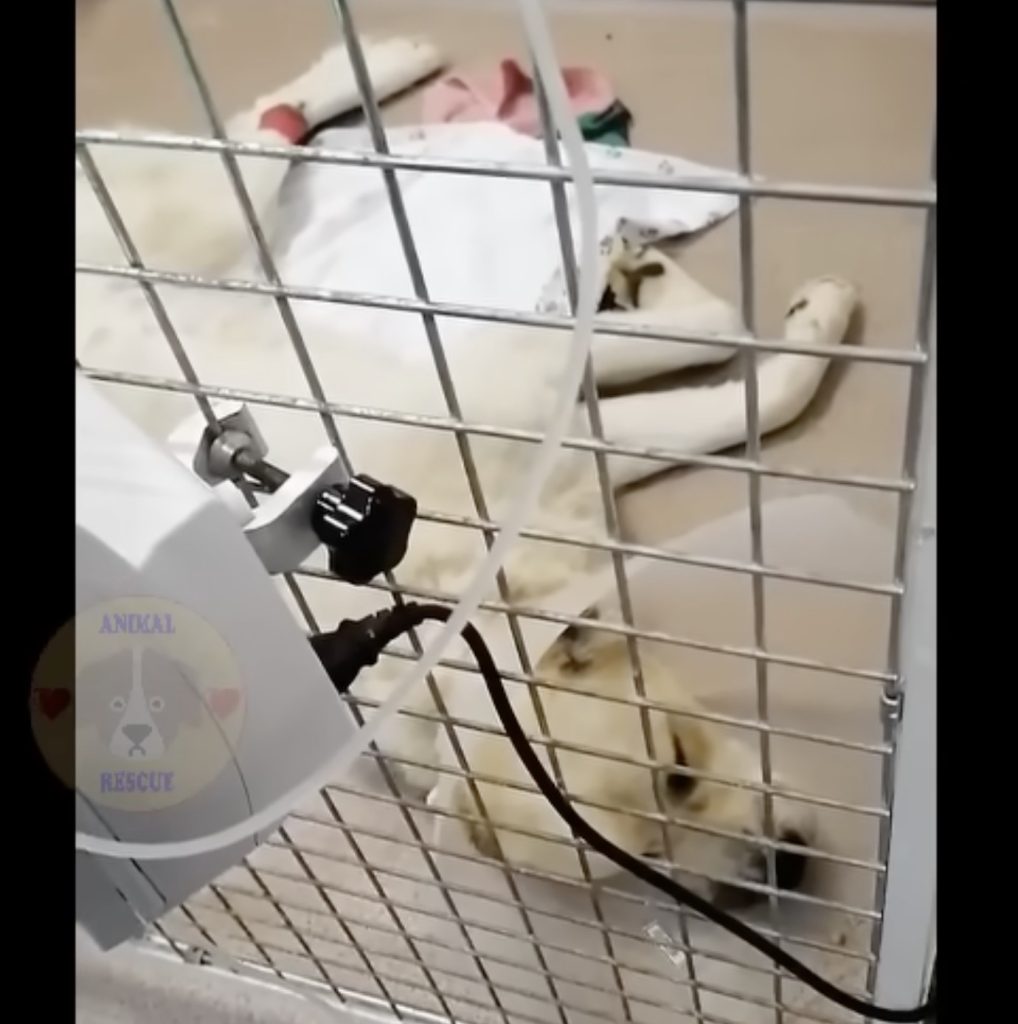
In the beginning, Kombat kept his distance, especially from men, and often flinched when someone moved too quickly. Yet the shelter team continued offering calm assurance. They let him decide when to come closer, when to accept a gentle hand, when to rest his head near someone he was learning to trust. Day by day, his eyes began to soften. His tail offered its first tentative wag, a simple gesture that brought quiet celebration among the staff. They cheered softly when he finished his first full meal and felt genuine joy when he let out a small, playful bark.
As weeks passed, the transformation became unmistakable. Kombat started showing glimpses of the dog he might have been before hardship scarred his life. He learned to give paw, a gesture that quickly became his charming way of greeting anyone who approached. He discovered the joy of chasing toys across the yard, bounding with a clumsy enthusiasm that made everyone smile. He responded eagerly to his name and allowed baths without fear or resistance. With each passing day, the marks on his body faded, and the deeper wounds within his spirit slowly began to heal under steady, compassionate care.
In the afternoons, staff members often sat beside him, watching the growing warmth in his eyes. They spoke to him as though he were family, because in many ways he had become just that—a quiet symbol of resilience and a reminder of why their work mattered. Volunteers brought extra treats, and visiting children eagerly waited for him to offer his now-famous paw. Kombat, once frightened and abandoned, was blossoming under the steady kindness surrounding him. His gentle nature touched every person who met him. Despite all he had endured, he never responded with aggression; instead, he chose trust and tenderness.
By the end of his stay, Kombat was nearly unrecognizable from the dog found helpless by the roadside. His coat had regained a healthy shine, his body strengthened with proper nourishment, and his once fearful gaze now held curiosity and even a touch of mischief. He stood tall, ears alert, ready to greet whatever came next. Pride radiated from his posture, as though he understood the distance he had traveled—from survival to genuine healing. His journey reflected the quiet power of patience, and how simple acts of compassion can restore a life that once seemed beyond repair.
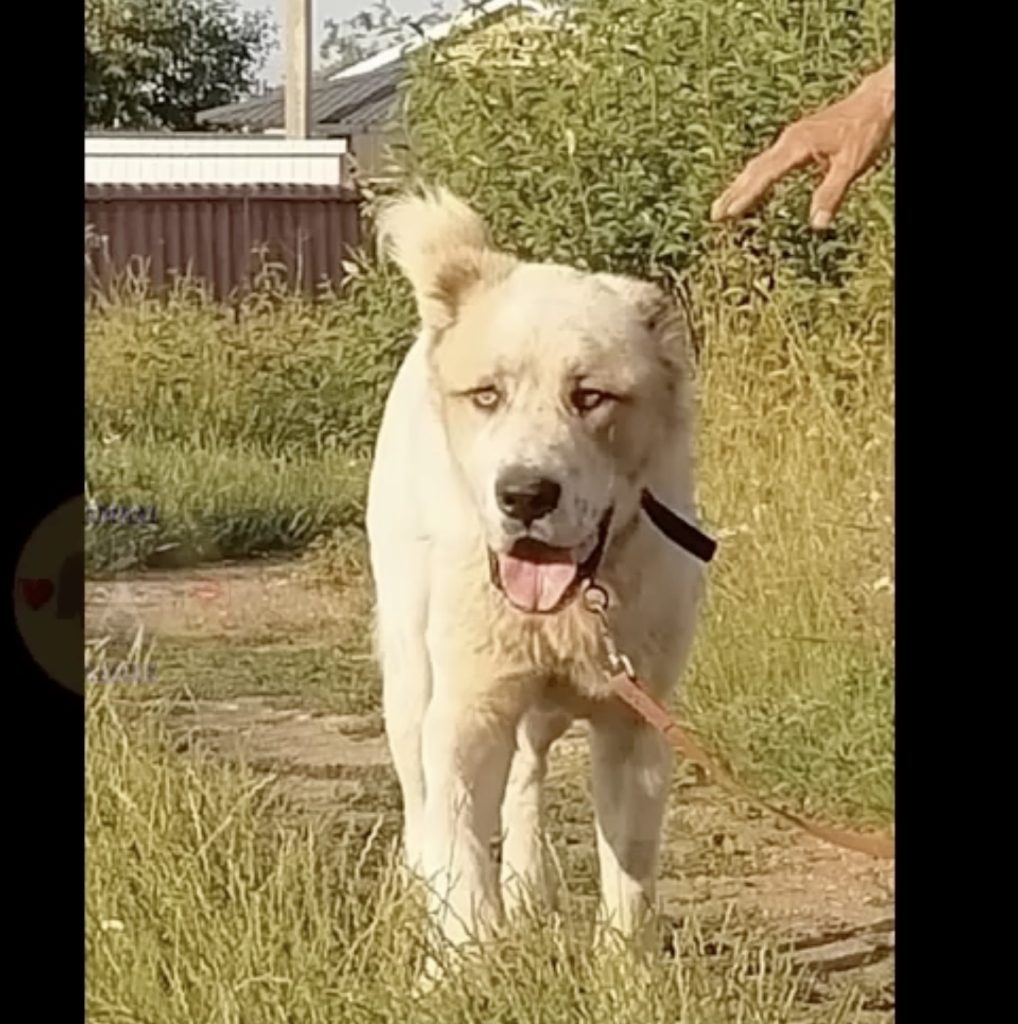
Kombat’s story lingers because it offers a meaningful reminder of how deeply animals feel, how they remember harm yet respond so profoundly to kindness. His past had been marked by cruelty, but his future was shaped by love freely given. For the couple who stopped their car that day, rescuing him was far more than an act of goodwill. It was the beginning of a healing that transformed not only his life but touched theirs as well. Kombat did more than survive—he grew, he trusted, and he rediscovered joy. In doing so, he reminded everyone around him of the strength found in compassion.
In a world that often feels hurried and unforgiving, Kombat’s journey encourages us to pause and notice the quiet needs around us. His transformation shows that even the smallest gesture of care can create profound change, not only for the one who receives it but also for the one who offers it. His life became a testament to the idea that broken hearts—human or animal—can learn to trust again when surrounded by patience and understanding. Kombat’s strength did not come from what he endured, but from the love that helped him rise beyond it, reminding us that kindness remains one of our greatest responsibilities. And his story continues to inspire every heart touched.